
High-lumen, autonomous outdoor lighting solutions featuring advanced MPPT intelligence, premium LiFePO4 energy storage, and hurricane-rated alloy housings.
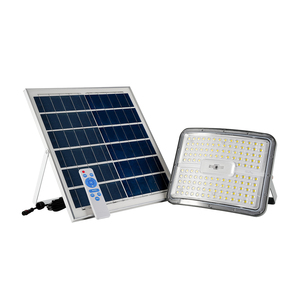
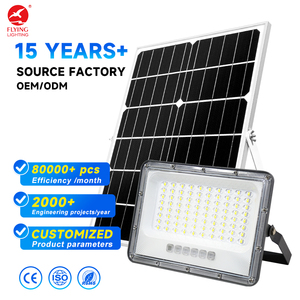
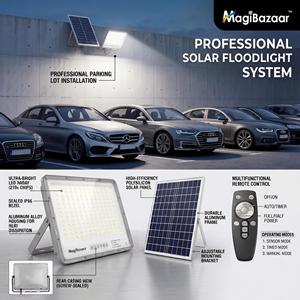
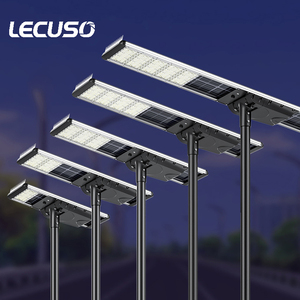
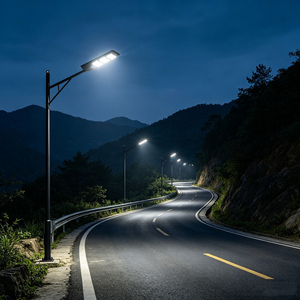
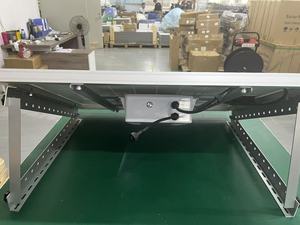
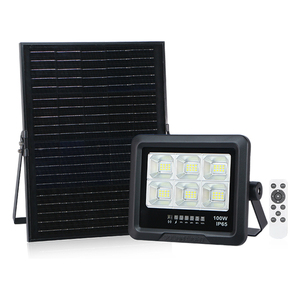
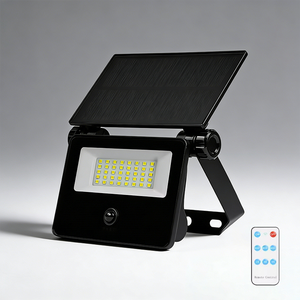
From custom photometrics to complete turn-key project engineering, we deliver robust zero-carbon outdoor lighting systems optimized for municipalities, Fortune 500 enterprises, and civil infrastructure contractors.
Our factory pipelines adhere to strict quality assurance protocols, incorporating 100% Electroluminescence (EL) solar panel testing, thermal chamber aging for battery packs, and automated photometric sphere testing before shipping.
Our engineering team combines decades of optical engineering, thermal management, and firmware microcode development. We hold proprietary MPPT algorithm patents that optimize charging speeds even under low-irradiance diffuse light conditions.
Engineered for extreme coastal and high-wind topographies, our commercial solar pathway poles and luminaire brackets undergo finite element analysis (FEA) to endure continuous wind stress up to 180 MPH (Category 5 rated).
We produce custom IES-compliant photometric layouts for project developers. Visualize illuminance footprint (lux/foot-candles), uniformity ratios, and precise pole placement prior to procurement.
Operating direct export hubs and support offices in South America, North America, the Middle East, and Southeast Asia, we streamline international shipping, customs tariffs, and local regulatory compliance.
Equipped with integrated Smart BMS (Battery Management System), our lithium iron phosphate energy cells deliver 3,000+ deep charge cycles (80% DOD) and safely operate in temperatures ranging from -20°C to +65°C.
The global commercial outdoor lighting market is undergoing a seismic paradigm shift. Driven by municipal carbon-neutrality directives, rising grid utility costs, and rapid advancements in photovoltaic cell efficiency, CE certified commercial solar pathway fixtures have transitioned from alternative supplemental lighting to primary infrastructure solutions.
In high-density commercial real estate, public parks, educational campuses, and industrial logistics parks, zero-trenching solar pathway luminaires yield immediate capital expenditure reductions. By removing underground conduit installation, asphalt cutting, electrical permit fees, and transformer grid hookups, project developers routinely capture a 35% to 60% reduction in total installed project cost.
To assist procurement directors, civil engineers, and OEM buyers in matching technical specifications with site requirements, the following matrix outlines standard commercial-grade solar pathway configurations:
| System Class | Typical Wattage Range | Luminous Output | Battery Architecture | Optimal Pole Height | Target Application |
|---|---|---|---|---|---|
| Integrated All-In-One | 30W - 80W | 4,500 - 12,000 lm | Internal LiFePO4 (3.2V / 12.8V) | 4m - 6m (13ft - 20ft) | Urban Pedestrian Paths, HOA Walkways, Parks |
| Split-Type Heavy-Duty | 100W - 200W | 15,000 - 30,000 lm | External / Pole-Top Battery Pod | 6m - 10m (20ft - 33ft) | Commercial Perimeter Roadways, Parking Lots |
| Perimeter Security Flood | 200W - 500W | 25,000 - 55,000 lm | High-Capacity Modular LiFePO4 | 5m - 8m (16ft - 26ft) | Industrial Storage Yards, Logistics Parks |
| Architectural & Landscape | 20W - 50W | 3,000 - 7,500 lm | Base-Integrated Battery Pack | 3m - 5m (10ft - 16ft) | Resort Grounds, Greenways, Corporate Plazas |
As global municipal standards tighten, international buyers must navigate stringent regulatory frameworks. Importing commercial solar lighting requires verifying genuine laboratory certifications rather than self-declared documentation.
CE marking is not merely a export stamp; it is a mandatory European conformity regime covering two major directives for solar outdoor lighting infrastructure:
When calculating financial returns for large-scale commercial pathway projects, forward-thinking procurement teams evaluate long-term TCO over a 15-year operational window. While premium CE-certified solar pathway systems incur a 15-25% higher initial hardware cost compared to uncertified budget alternatives, their operational financial advantage is overwhelming:
Uncertified budget units suffer high battery failure rates (often within 12 to 18 months), thermal potting degradation, and lens yellowing caused by non-UV-stabilized plastics. Replacing failed luminaires requires bucket trucks, road closures, and expensive field labor hours. In contrast, institutional-grade CE-certified fixtures constructed with 6063-T6 aluminum alloys, Grade-A LiFePO4 cells, and original Philips Lumileds or Cree LED chips operate reliably for years with zero maintenance spend.
Detailed technical answers to common questions regarding CE certification, photometric engineering, battery sizing, and factory supplier selection.
A legitimate CE certification requires full test reports from an accredited independent laboratory (such as TÜV, SGS, or Intertek) covering LVD (EN 60598-2-3 / EN 60598-1 standards for luminaire safety) and EMC (EN 55015 / EN 61547 standards for radio disturbance and immunity). Always request accredited test reports alongside the Declaration of Conformity (DoC).
System autonomy refers to the number of consecutive nights a fixture can operate without solar recharge. Our commercial engineering standards design for a minimum of 3 to 5 autonomy days. This is achieved by oversizing the LiFePO4 battery capacity and deploying adaptive smart dimming profiles via MPPT microcontrollers.
All-In-One (Integrated) systems combine the solar panel, LED module, battery, and controller into a single compact housing for easy installation on 4m-6m poles. Split-Type systems separate the solar panel to allow larger wattage arrays, making them ideal for heavy snow regions or high-lumen commercial applications requiring 8m-12m mounting heights.
Our commercial solar pathway luminaires utilize Smart BMS modules with NTC thermal sensors. If internal battery temperatures exceed 65°C, the controller automatically reduces charge rates or throttles output lumens to protect the lithium cells from thermal degradation, ensuring stable operation even in desert climates.
Yes. As a primary manufacturer and engineering supplier, we provide official IES photometric files generated via goniophotometer testing. Our engineering team can also generate custom DIALux light simulation reports tailored specifically to your site topography and target lux level requirements.
We provide a comprehensive 3-to-5-year warranty on complete solar luminaire assemblies, a 10-year performance guarantee on monocrystalline solar PV panels (80% output retention), and up to a lifetime warranty on structural aluminum light poles. Designed service life for system electronics is 10+ years.
Ready to upgrade your infrastructure with high-efficiency, zero-grid commercial solar pathway fixtures? Request a direct factory engineering consultation, custom DIALux photometric calculation, or bulk OEM price quote today.