Solar Lighting Blog & Insights

Industry news, technical articles, and project insights from Solar Lighting International.

Blog

How to Choose the Best Commercial Solar Street Lights?

How to Choose the Best Commercial Solar Street Lights?

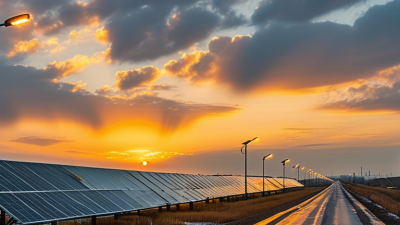
Choosing the right Commercial Solar Street Lights involves more than comparing panel sizes or advertised wattage. A reliable system must match the site, climate, traffic pattern, and required lighting level. A quiet village road needs a different design from a busy warehouse entrance. Shadows from trees, salty coastal air, dust, and winter temperatures can also change performance. Hermann Scheer, a leading solar-energy authority, once said, “The sun is the only safe and inexhaustible source of energy.” His observation explains the opportunity, but not the buying decision. Solar power is clean. Poor equipment selection is not automatically sustainable. This guide examines the details that often decide long-term results. Check the LED lumen output, beam distribution, battery chemistry, solar-panel efficiency, and expected autonomy during cloudy weather. An IP65 or higher enclosure can help protect electronics from rain and dust. IK ratings matter where vandalism or accidental impact is possible. Motion sensors may reduce energy use, but poorly adjusted settings can leave pedestrians walking through darkness. Look closely. The cheapest quotation may hide a smaller battery, weaker pole, or limited warranty. Some specifications also sound impressive while lacking test conditions. That is a common weakness. A proper site survey should record mounting height, road width, nighttime activity, shading, and local weather history. It should also consider maintenance access, replacement costs, and end-of-life battery handling. The best Commercial Solar Street Lights are not simply bright. They are dependable, serviceable, and appropriately designed for real conditions. A careful decision may cost more initially, yet prevent dark sections, frequent repairs, and disappointing returns later.
Read more »
Alexander Bennett By:Alexander Bennett - September 11, 2026
How to Choose Solar Parking Lot Lighting Systems?

How to Choose Solar Parking Lot Lighting Systems?

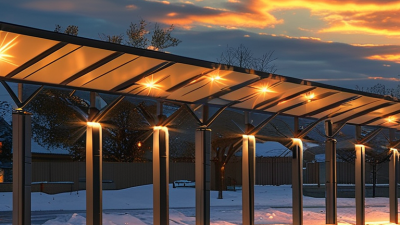
Choosing Solar Parking Lot Lighting Systems requires more than comparing panel sizes and advertised brightness. A parking area must remain visible after cloudy days, during winter, and across long operating hours. Good lighting supports safer walking routes, clearer vehicle movement, and better property management. It should also avoid harsh glare that disturbs nearby homes or wastes energy. This guide examines the practical decisions behind a dependable installation. It considers solar exposure, pole height, LED output, battery capacity, lighting controls, weather resistance, and maintenance access. A professional design should begin with a site survey and a basic photometric plan. The plan can reveal dark corners, uneven spacing, and unnecessary overlighting. Manufacturer testing, product certifications, warranty terms, and documented performance deserve careful review. Marketing claims alone are not enough. I have seen projects fail because installers focused on bright fixtures instead of complete system balance. One site looked impressive at dusk, yet its batteries struggled after several cloudy nights. That mistake was expensive. It also required uncomfortable conversations with the property owner. No design is perfect. Real performance depends on shade, dust, temperature, traffic patterns, and maintenance habits. A reliable choice leaves room for these uncertainties. Readers should question attractive promises and request measurable evidence. Look beyond the brochure. The following discussion offers a practical framework for comparing systems, estimating long-term value, and selecting lighting that performs responsibly in real parking environments.
Read more »
Alexander Bennett By:Alexander Bennett - September 11, 2026
What Are All In One LED Solar Street Lights?

What Are All In One LED Solar Street Lights?

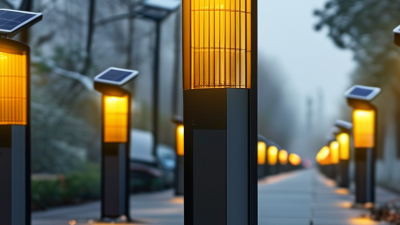
All-In-One LED Solar Street Lights combine the lamp, solar panel, battery, controller, and housing in one compact unit. This integrated structure removes long underground cables and simplifies installation in streets, parks, parking areas, and rural paths. During daylight, the photovoltaic panel stores energy in a battery. After sunset, the LED module uses that power to illuminate the road. Solar lighting engineer Dr. Arun Tiwari explains, “A solar street light succeeds when its battery, optics, and controls work as one system.” This principle matters more than impressive wattage figures. A well-designed unit should match local sunlight, nighttime traffic, pole height, and required lighting levels. It should also manage cloudy days without creating unsafe dark periods. Look closely at the details. A quality fixture may include a lithium battery, a motion sensor, programmable dimming, and a sealed aluminum housing. These features can reduce maintenance and improve energy use. However, one product cannot fit every location. Heavy shade, dust, long winters, or poor battery ventilation may reduce performance. That is the uncomfortable part. “Maintenance-free” is often overstated. Panels still need cleaning, batteries eventually age, and drainage design can affect service life. Buyers should check photometric reports, battery capacity, warranty terms, ingress protection, and replacement procedures. Field testing is more convincing than marketing language. This article explains how All-In-One LED Solar Street Lights operate, where they perform well, and what limitations deserve careful attention. Reliable results begin with realistic site assessment, not simply choosing the brightest lamp.
Read more »

Ethan Caldwell By:Ethan Caldwell - September 11, 2026