
Explore our engineered solar floodlights, integrated streetlights, and mobile work site safety illumination units designed for zero-grid reliance, high lumen output, and industrial-grade endurance.
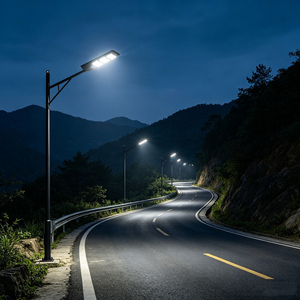
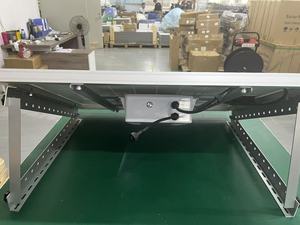
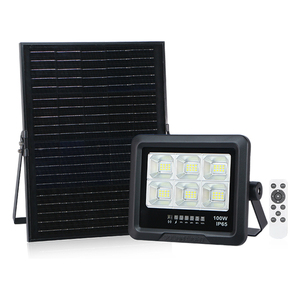
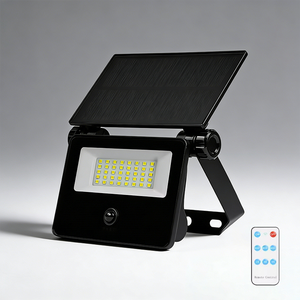
Understanding the strict photometric, thermal, and mechanical parameters required for temporary infrastructure, highway maintenance, and off-grid work sites.
Work zones present extreme mechanical stresses, including high vibration from continuous heavy traffic, particulate exposure, and severe climate swings. As a specialized OEM factory, we manufacture fixtures using die-cast ADC12 aluminum housing with anti-corrosion powder coatings rated to withstand 1,000+ hours of salt spray testing (ASTM B117 standard). Custom mounting brackets, slip-fitter sleeves, and trailer-mountable frames are tailored precisely to client OEM equipment specifications.
Unstable daylight in work zones requires ultra-efficient power conversion. Our proprietary Maximum Power Point Tracking (MPPT) charge controllers achieve a 99.2% tracking efficiency, dynamically optimizing solar absorption even in overcast or partial-shade conditions. Combined with optical PC lenses delivering custom Type II, Type III, or glare-controlled asymmetric beam spreads, our fixtures direct light precisely onto work zones without casting hazardous glare into oncoming traffic lanes.
The convergence of high-efficiency solid-state lighting, next-generation energy storage, and smart telemetry is reshaping temporary infrastructure lighting.
Traditional lead-acid and standard NMC lithium batteries are rapidly being phased out in professional work zone lighting. Modern OEM standards demand high-capacity Lithium Iron Phosphate (LiFePO4) battery packs offering over 4,000 deep discharge cycles at 80% DoD. Advanced thermal management integrated into the battery compartment guarantees stable performance across extreme operating ranges from -20°C to +65°C.
Work zone safety light systems now leverage 24GHz microwave radar sensors over legacy PIR detectors. Microwave radar provides 360-degree motion detection up to 15 meters through dust, rain, and fog. Intelligent algorithms allow the light fixture to maintain a 30% ambient conservation mode, boosting to 100% full lumen output (up to 22,200lm) instantly upon detecting machinery or worker activity.
The modern road construction site demands centralized monitoring. Next-gen solar work lights integrate LoRaWAN, NB-IoT, or 4G LTE wireless modules. Project managers can remotely track state-of-charge (SoC), operational status, ambient temperature, and automatic fault diagnostics via cloud dashboards, drastically cutting field inspection overhead and unexpected light outages.
Analysis of total cost of ownership (TCO), carbon neutrality mandates, and contract compliance in commercial solar lighting procurement.
Utility grid connection costs for temporary construction sites have skyrocketed, with trenching and wiring expenses often exceeding $100 to $250 per linear foot. Commercial buyers and general contractors are pivoting toward autonomous, self-contained solar work zone light towers and floodlights. These units eliminate trenching, permitting delays, and electricity operational expenses while allowing instantaneous deployment across evolving highway expansion sites.
By eliminating heavy diesel generator lighting towers, construction firms reduce site carbon emissions by 100% and avoid continuous diesel refueling logistics, noise pollution in residential work zones, and routine engine maintenance costs.
Global procurement managers require certified product reliability. Modern tenders specify ISO 9001:2015 manufacturing certification, CE, RoHS, IP65/IP66 waterproof ingress ratings, and IK09/IK10 impact resistance. Furthermore, regional compliance standards—such as Buy American Compliant engineering and IDA Dark Sky compliance—are becoming mandatory in international tenders.
Contractors seeking market differentiation rely on customized OEM factory solutions. We offer bespoke silkscreen branding, customized housing colors (safety yellow, orange, or corporate pantones), custom optical beam patterns, and modular battery bay designs tailored for specific trailer integration.
Nearly two decades of commercial solar lighting design and manufacturing excellence, serving municipalities, utilities, and global contractors.
Our team of dedicated sales engineers and optical designers brings over 45 years of combined solar engineering experience to assist every OEM project from photometrics to final commissioning.
Operating under strict quality control management systems since 2006, ensuring batch-to-batch consistency, component traceability, and rigorous burn-in quality testing.
We provide full photometric layout designs and simulations before production, proving lux levels, uniformity ratios, and light cut-off compliance prior to order placement.
Equipped with high-efficiency Philips Lumileds LED chips (up to 210 lm/W efficacy), monocrystalline PERC solar panels, smart MPPT charge controllers, and long-life LiFePO4 batteries.
Engineered to withstand high wind loads up to 180 mph with structural aluminum alloy construction and marine-grade protective hardware designed for harsh coastal and work site conditions.
Maintaining strategic international presence and certified service networks to support major infrastructure deployments across North America, South America, Middle East, and worldwide.
Technical, logistical, and OEM customization answers for B2B lighting buyers and project engineers.
Our commercial-grade solar work zone lights are engineered with an autonomous power calculation matrix (Autonomy Reserve Factor). We dimension the monocrystalline solar panel wattage and LiFePO4 battery storage capacity to deliver a minimum of 3 to 7 consecutive nights of full operational autonomy without any solar recharge input. Additionally, our intelligent MPPT controllers feature adaptive dimming algorithms that automatically adjust lumen output based on battery state-of-charge during prolonged rainy weather periods.
We provide comprehensive OEM customization tailored to your brand and technical requirements. Options include custom structural die-casting, specialized powder-coat colors (e.g., Hi-Vis Yellow, Safety Orange, Construction Black), custom brand logos, customized optical beam angles (Type I to Type V distributions), personalized dimming profiles, integrated microwave radar sensors, loRaWAN/NB-IoT smart connectivity modules, and customized heavy-duty mounting hardware for trailers or mobile light towers.
Each subsystem is selected for maximum industrial longevity: Monocrystalline solar panels carry a 25-year linear performance output design life (80%+ output at Year 25). The Lithium Iron Phosphate (LiFePO4) battery pack is rated for 4,000+ deep cycles (approx. 10 to 12 years of daily operation under nominal conditions). The LED light engine powered by Philips Lumileds chips is rated for L70 > 100,000 operational hours (over 15 years), while structural aluminum poles carry up to a lifetime physical structural warranty.
Yes. Work zone safety requires preventing high-angle glare from blinding oncoming motorists. Our optical engineers design full cut-off secondary lenses that direct light downward onto work areas (0% uplight, U0 rating), fully compliant with IDA Dark Sky standards and national highway traffic safety administration guidelines for temporary traffic control (TTC) zones.
Standard model evaluations and sample orders are supported with low MOQs starting at 5 to 10 units. Custom OEM orders featuring branded housing and tailored optical configurations typically start at 50 units. Factory production lead times range from 15 to 25 business days depending on volume, with expedited air freight or sea container shipment options available directly to site locations worldwide.
While diesel light towers carry a lower initial purchase price, their operational cost is extremely high due to continuous fuel consumption (3-5 gallons/night), weekly engine oil changes, labor for refueling crews, and frequent engine overhauls. Solar powered work lights eliminate 100% of fuel costs and 90% of maintenance expenses. Most commercial contractors achieve total payback (ROI) within 8 to 14 months of continuous operation, followed by years of zero-cost lighting operation.