
Explore our field-proven portfolio of extreme-durability solar flood lights, high-lumen street lights, and portable marine area illumination engineered for relentless salt spray, high wind shear, and humid coastal conditions.
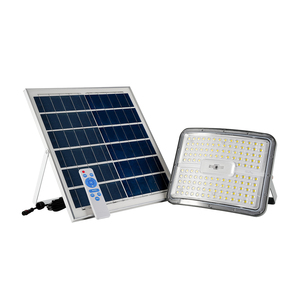
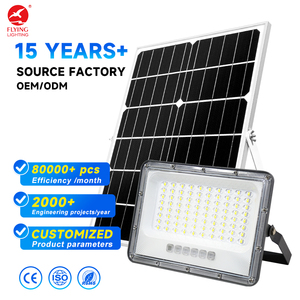
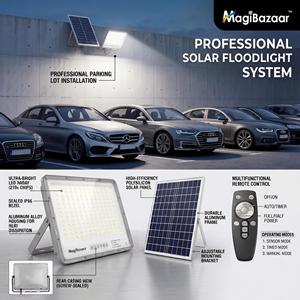
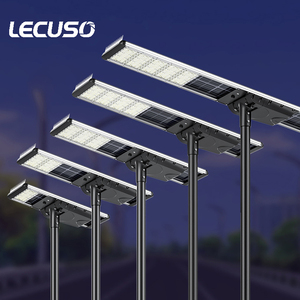
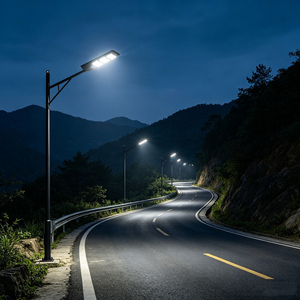
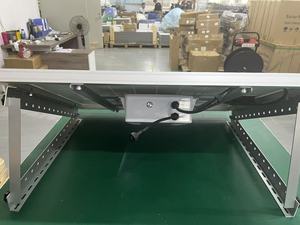
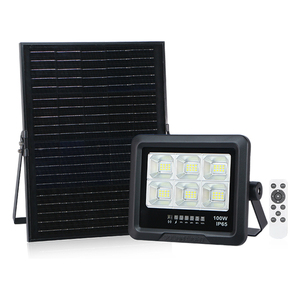
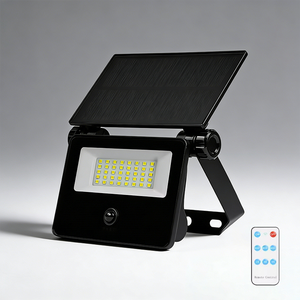
Operating off-grid lighting systems in marine and coastal environments exposes hardware to some of the most aggressive environmental degradation factors on Earth. Ocean atmospheric zones are saturated with highly conductive sodium chloride (NaCl) mist, extreme humidity cycles, elevated ultraviolet radiation, and severe wind shear forces. Standard commercial outdoor lighting fixtures installed in maritime environments routinely suffer from catastrophic housing oxidation, localized galvanic corrosion, thermal engine seals breaking down, and premature battery failure within 12 to 24 months of installation.
As a specialized OEM/ODM Anti Corrosion Solar Marine Lights Manufacturer, our engineering philosophy is built around structural metallurgy, advanced chemical barrier coatings, hermetically sealed electro-optical modules, and intelligent thermal dynamic management. This white paper outlines the essential material specifications, testing standards, and systemic architecture required to achieve a sustained 20-year operational life in C5-M extreme marine applications.
According to ISO 12944 atmospheric corrosivity categories, coastal and offshore zones with high salinity levels fall under Category C5-M (Marine) or CX (Extreme). Metal degradation in these environments occurs through several simultaneous micro-mechanisms:
To eliminate atmospheric oxidation and galvanic failure, our solar marine light luminaires and poles undergo a proprietary multi-stage surface passivation protocol:
Backed by an ISO 9001:2015 certified quality control management system, our manufacturing facilities specialize in turn-key OEM (Original Equipment Manufacturing) and ODM (Original Design Manufacturing) partnerships for port authorities, marine engineering contractors, municipal lighting developers, and international B2B distributors.
Every solar lighting assembly undergoes rigorous multi-stage quality control. From automated X-ray inspection of PCB solder joints to 100% aging tests under thermal stress, our ISO-certified protocols ensure zero-defect shipment rates for major infrastructure projects.
We provide full project-level optical modeling prior to production. Our sales engineers deliver custom IES photometric reports and DIALux 3D renderings to guarantee accurate illuminance levels (Lux/Fc), glare control, and uniform light distribution for harbor jetties and coastal roadways.
With corporate sales engineering hubs and regional support centers in North America, Central/South America, and the Middle East, we support Buy American Compliant supply chains, international trade customs verification, and project site installation supervision on 6 continents.
Integrated maximum power point tracking (MPPT) solar charge controllers yield up to 98.5% conversion efficiency. Algorithms continuously adjust charging parameters dynamically according to ambient temperature, solar panel voltage, and state-of-charge curves.
We utilize industrial Grade-A Lithium Iron Phosphate (LiFePO4) battery chemistry offering over 4,000 charge cycles at 80% Depth of Discharge (DoD). Custom thermal insulation jackets allow continuous operation across extreme thermal ranges (-20°C to +65°C).
Our complete marine light poles and solar arm brackets are engineered according to AASHTO standards to withstand severe coastal storm forces, rated for wind velocity loads up to 180 mph (290 km/h) with lifetime structural pole warranties.
Understanding the clear technical distinction between baseline commercial solar products and marine-grade anti-corrosion luminaires is critical for procurement managers seeking to prevent high operational replacement costs.
| Technical Parameter | Standard Commercial Outdoor Light | C5-M Anti-Corrosion Marine Light (Our OEM Standard) |
|---|---|---|
| Housing Material | Standard Secondary Die-Cast Aluminum (High Copper) | Passivated Low-Copper (<0.1%) Marine Aluminum / 316L Stainless |
| Surface Protection | Single Layer Standard Polyester Powder (40-60µm) | Dual-Layer Thermosetting CX Fluorocarbon Coating (>120µm) |
| Salt Fog Resistance | ASTM B117 Tested to 168 - 500 Hours | ASTM B117 Certified Above 2,000 Hours (Zero Rust Creep) |
| Fasteners & Hardware | 201 or 304 Stainless Steel Fasteners | 316 Surgical Grade Stainless Steel with Anti-Seize Washers |
| Optical Seal & Gasket | Standard Rubber / EPDM Gasket (IP65) | High-Temp Fluorosilicone Hermetic Seal (IP67 / IP68 Engine) |
| Battery Thermal Resilience | Standard Li-ion / Basic LiFePO4 Pack | Isolated LiFePO4 Pack with Thermal Barrier & BMS Safety Cutoff |
| Wind Load Rating | Standard 90 - 110 mph Resistance | AASHTO Certified Structural Rating up to 180 mph Hurricanes |
| Expected Service Lifespan | 2 to 4 Years in Coastal Environments | 15 to 20+ Years System Design Life (Backed by Warranties) |
As maritime trade hubs expand and coastal environmental regulations tighten globally, the specifications for commercial solar marine lighting are undergoing rapid technological transformation. B2B procurement officers, port engineers, and EPC contractors must evaluate several critical technology trends when planning capital investments for 2026 and beyond.
Modern commercial ports are shifting away from standalone, unmonitored solar lights toward fully networked smart illumination grids. Future-proof solar marine lights feature integrated NBIoT, LoRaWAN, or Zigbee wireless communication nodes. These IoT systems allow harbor master control rooms to remotely monitor battery health percentage, PV power harvesting curves, LED chip driver temps, and ambient weather telemetry in real time. Automated fault detection automatically dispatches maintenance crews before light failure occurs, reducing marine maintenance operational expenses by up to 65%.
Standard monocrystalline solar panels are being replaced by next-generation N-Type TOPCon and Heterojunction (HJT) solar cell technologies. In marine applications, Bifacial solar glass modules harvest direct sunlight from above while capturing up to 25% additional indirect light reflected off sea water surfaces and light-colored dock concrete (high albedo effect). This vastly increases total energy yield per square foot, enabling smaller panel footprints with higher lumen output during heavy overcast weather.
Environmental compliance regulations for coastal developments are tightening worldwide. Artificial white light severely disrupts coastal marine biology, particularly sea turtle hatching orientation and migratory seabirds. Procurement trends favor anti-corrosion solar marine lights equipped with narrow-spectrum 590nm Amber LED arrays, dynamic full-cutoff shielding, and International Dark-Sky Association (IDA) certified optical lenses that direct 100% of downward illumination strictly onto working piers without upward skyglow or light spill into marine sanctuaries.
While LiFePO4 remains the industrial benchmark, next-generation marine solar systems are integrating semi-solid-state lithium chemistry and advanced phase-change material (PCM) thermal barriers. These innovations eliminate thermal runaway risks even in extreme tropical shipping container terminals where internal luminaire housing temperatures reach +75°C under direct equatorial sunlight.
Answers to key technical, manufacturing, customization, and warranty questions frequently asked by marine engineers, procurement directors, and OEM clients.
Whether you require high-lumen coastal floodlights, custom OEM all-in-one solar street luminaires, or full DIALux photometric simulations for major port facility upgrades, our engineering team is ready to deliver tailored solutions designed to exceed your project requirements.