
Engineered for extreme structural durability, zero utility grid dependence, high optical uniformity, and rapid enterprise deployment.
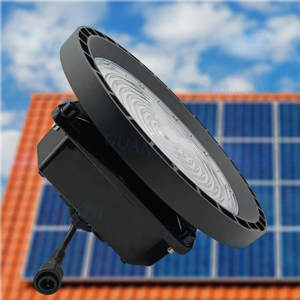
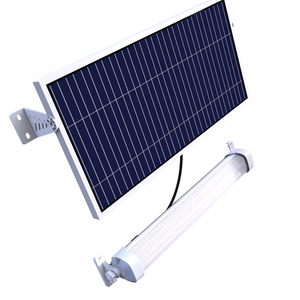
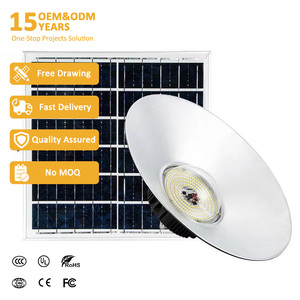
Understanding the transition from legacy grid-dependent canopy fixtures to high-efficiency, autonomous solar photovoltaic lighting systems for global commercial infrastructure.
Commercial canopy structures—including gas station forecourts, electric vehicle (EV) charging plazas, corporate parking carports, municipal bus terminals, and outdoor logistics loading docks—present unique electrical and environmental challenges. Traditional grid-tied canopy lighting demands expensive underground trenching, heavy conduit wiring, hazardous electrical permits, and ongoing utility operational expenditures (OpEx). Furthermore, power grid instability directly jeopardizes continuous operations at critical transit and fueling facilities.
As premier OEM/ODM commercial solar canopy lighting factories & exporters, our engineering solutions eliminate utility tie-ins completely. By integrating high-yielding monocrystalline photovoltaic (PV) modules, maximum power point tracking (MPPT) charge controllers, solid-state LiFePO4 battery storage, and advanced optical lenses, enterprise clients achieve 100% off-grid reliability, zero carbon emissions, and immediate CapEx payback by avoiding civil trenching works.
Global engineering, procurement, and construction (EPC) contractors require tailored photometric profiles and mechanical mounting designs to satisfy localized building codes and illuminance standards. Our manufacturing framework provides dual strategic operational models:
Core engineering innovations that separate industrial-grade commercial solar canopy systems from consumer-grade solar lights.
Modern commercial canopies often feature low tilt angles or partial structural shading from surrounding buildings. Our OEM canopy solar modules utilize N-Type TOPCon and ultra-high efficiency monocrystalline cells exceeding 24.5% conversion rates. Extended low-irradiance spectral responsiveness guarantees active battery charging even under diffuse daylight, heavy overcast, or early morning light conditions.
Under-canopy environments endure extreme thermal fluctuations—from scorching summer ceiling heat ambient spikes (+65°C) to sub-zero winter blasts (-20°C). We deploy automotive-grade Lithium Iron Phosphate (LiFePO4) chemistry backed by Intelligent Battery Management Systems (BMS). Delivering over 6,000 to 8,000 deep cycles at 80% Depth of Discharge (DoD), our thermal management design prevents capacity loss and thermal runaway risks.
Low canopy clearance (typically 3.5m to 6.0m) can easily lead to intense glare, harsh hot spots, or dark shadows between fixtures if standard 120° optics are used. Our proprietary optical lenses disperse light across a 170° horizontal batwing distribution. This ensures high illuminance uniformity (U0 > 0.45) across fuel pumps, parking bays, and walkways while meeting International Dark-Sky Association compliance.
For gas stations and chemical transfer depots, static discharge or electrical sparks represent critical safety hazards. Our explosion-proof solar canopy series (such as the CHZ IST11 series) engineered for Class I, Division 2 / ATEX Zone 2 hazardous zones features spark-free solid-state switching, anti-static polycarbonate lenses, and copper-free ADC12 die-cast aluminum enclosures certified to IP65/IP67 ingress ratings.
Our digital Maximum Power Point Tracking (MPPT) micro-controllers execute rapid 99.5% efficiency tracking algorithms that recalculate optimal voltage-current curves every fraction of a second. Integrated IoT communications (LoRaWAN, Zigbee, cellular NB-IoT) enable remote fleet diagnostic monitoring, automatic dimming schedules, adaptive energy saving, and real-time fault reporting via centralized cloud dashboards.
Coastal transit hubs and exposed parking structures face severe salt-fog atmospheric corrosion. All our exported solar canopy housings undergo a 21-stage pre-treatment wash followed by thermosetting fluorocarbon or epoxy powder coating. Tested under ASTM B117 salt spray standards for over 2,000 consecutive hours, our hardware guarantees zero structural degradation over its 20-year service lifetime.
A rigorous engineering evaluation outlining total cost of ownership (TCO), installation friction, and technical performance metrics.
| Evaluation Parameter | Traditional Grid Canopy Lights | Standard Legacy Solar Lights | Next-Gen OEM/ODM Solar Canopy Systems |
|---|---|---|---|
| Luminous Efficacy | 90 – 110 lm/W | 110 – 130 lm/W | 180 – 220 lm/W (Ultra-High Efficacy) |
| Installation Trenching & Wiring | Extensive trenching, conduit & sub-panels ($45–$120/ft) | Minimal overhead pole work | 0% Trenching — Plug-and-Play Surface Mounting |
| Battery Chemistry & Life Cycle | N/A (Grid Dependent) | Lead-Acid / AGM (500–800 cycles) | Grade-A LiFePO4 (6,000–8,000+ Deep Cycles) |
| Hazardous Location Certification | Standard Explosion-Proof (High Wiring Risk) | Rarely certified for Zone 2 / Class 1 Div 2 | ATEX / IECEx Class 1 Div 2 Spark-Free Certified |
| Operating Temperature Window | -10°C to +45°C | -10°C to +40°C (Battery degradation) | -20°C to +70°C (Thermo-balanced Enclosure) |
| Optical Distribution & Uniformity | Basic 120° Lambertian (Hot spots common) | 120° Standard dispersion lens | 170° Custom Batwing Asymmetric Optics (U0 > 0.45) |
| IoT Telemetry & Smart Controls | Optional costly DALI/Zigbee add-ons | Unmanaged or Basic IR Remote | Integrated LoRaWAN / NB-IoT Cloud Platform |
| 5-Year Operational Expenditure (OpEx) | High (Constant Utility Tariff Costs) | Moderate (Frequent battery replacement) | $0 Electricity Cost — Near-Zero Maintenance |
Key market force developments transforming commercial lighting tender specifications over the next decade.
Global regulatory bodies, including the EU Energy Efficiency Directive and US federal sustainability mandates, are placing strict limits on commercial facility carbon footprints. Real estate developers, logistics hub operators, and retail fuel brands are rapidly replacing grid-connected canopy fixtures with autonomous off-grid solar luminaires to earn LEED Platinum, BREEAM, and carbon offset credentials.
The global shift toward electric mobility has converted standard parking structures into active power generation stations. Future procurement tenders prioritize dual-purpose commercial solar canopy systems where elevated PV canopies generate energy for EV charging stations during peak daylight hours while powering high-lumen safety illumination continuously throughout the night without drawing from the utility grid.
Static lighting schedules are fast becoming obsolete. Future-ready commercial solar canopy lights feature onboard AI sensor suites that dynamic adjust lumen output based on real-time pedestrian activity, vehicular traffic flow, ambient weather conditions, and remaining battery state-of-charge (SoC). This intelligence extends autonomy duration through extended multi-day storms without sacrificing safety lighting minimums.
Institutional buyers are moving away from sealed, disposable solar fixtures. Enterprise procurement specifications now mandate modular structural designs where individual components—such as the LED engine, MPPT controller PCB, optical lens array, and LiFePO4 battery pack—can be serviced or upgraded independently on-site, drastically extending overall installation life to 20+ years.
Combining nearly two decades of USA engineering heritage with ISO 9001:2015 quality-controlled OEM/ODM manufacturing capability.
Technical clarity for project managers, EPC engineers, and municipal purchasing directors.
Partner with an ISO 9001:2015 certified manufacturer. Contact our sales engineering desk for wholesale OEM price lists, custom Dialux simulations, and full product specification catalogs.
Get Catalog