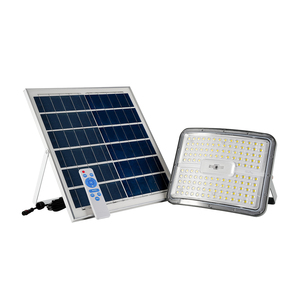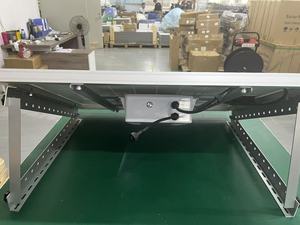
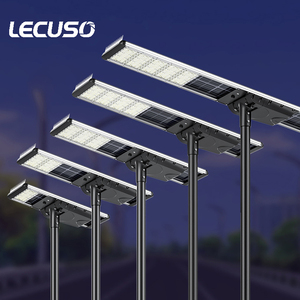
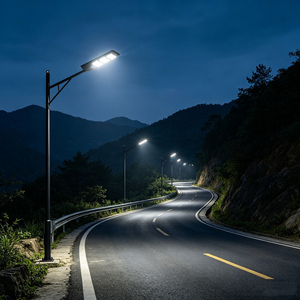
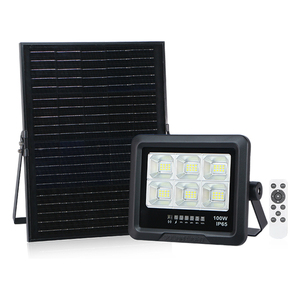
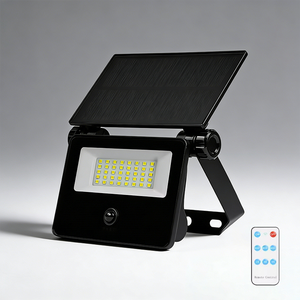
Explore our heavy-duty, IP65/IP67 weather-sealed, freeze-resistant solar lighting systems designed specifically for commercial pathways, urban perimeters, and municipal infrastructure.
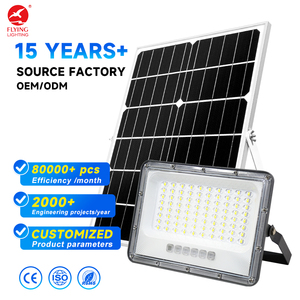
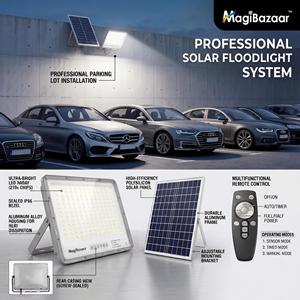
A comprehensive whitepaper on overcoming high-latitude solar harvesting challenges, sub-zero battery management, Dark-Sky compliance, and municipal sustainability targets in Scandinavia.
Deploying solar pathway fixtures in Norway (latitudes 58°N to 71°N) requires specialized photovoltaic angling and high-efficiency monocrystalline PERC or N-Type cells. During winter, extreme zenith angles necessitate optimized solar tilt algorithms to harvest low-intensity ambient light and prevent snow build-up.
Standard Lithium batteries lose over 50% capacity at 0°C and cannot accept charge under freezing conditions. Our commercial Nordic fixtures integrate micro-thermostatic LiFePO4 heating jackets and intelligent Battery Management Systems (BMS) enabling safe charging down to -30°C without degradation.
Norway prioritizes nocturnal preservation for wildlife and Aurora Borealis visibility. Our fixtures offer zero-upward light pollution (U0 rating), warm color temperatures (2200K to 3000K), and adaptive microwave radar sensing to meet strict Nordic environmental ordinances.
As Norway aggressively pursues its "Grønt Skifte" (Green Transition) and aims for carbon neutrality, public municipalities, commercial real estate developers, and hospitality resorts are shifting away from traditional trench-dependent grid lighting. However, the geographic realities of Norway—ranging from Oslo's short winter days to Tromsø's Polar Nights (Mørketid)—demand an engineering approach that vastly differs from standard solar fixture manufacturing.
Commercial solar pathway fixtures deployed in Scandinavia cannot rely on simplistic solar calculations calibrated for Mediterranean or equatorial regions. During the deep winter months, solar irradiance drops dramatically, accompanied by solar elevation angles as low as 6 degrees above the horizon. To achieve 365-night uninterrupted illumination (100% autonomy), top-tier manufacturers must incorporate Maximum Power Point Tracking (MPPT) charge controllers with ultra-fast tracking speed, capable of squeezing energy from minimal diffuse sunlight.
Commercial pathway lighting in Norway encompasses diverse geographical and architectural demands. Manufacturer solutions must adapt to specific regional microclimates:
For Norwegian engineering consultants and municipal procurement officers, evaluating Total Cost of Ownership (TCO) and operational resilience is paramount. The table below illustrates the technical gain of advanced commercial solar pathway systems over traditional AC grid infrastructure in high-latitude environments:
| Evaluation Parameter | Traditional Grid Pathway Lights | Nordic Commercial Solar Pathway Systems | Information Gain & Benefit |
|---|---|---|---|
| Trenching & Cabling Cost | €80 – €150 per meter (High in rocky terrain) | €0 (Zero Cable Infrastructure) | Eliminates bedrock drilling & urban asphalt disturbance |
| Installation Lead Time | 3 - 6 Weeks (Requires certified electricians) | 1 - 2 Days (Plug-and-play assembly) | 80% faster project execution cycle |
| Sub-Zero Battery Reliability | N/A (Grid Dependent) | LiFePO4 + Intelligent BMS Heating (-30°C) | Prevents winter shutdown & capacity loss |
| Light Pollution / Dark Sky | Variable (Often unshielded glare) | IDA Dark-Sky Compliant (U0 Spill Light) | Protects local flora/fauna & Northern Lights viewing |
| Carbon Footprint (Lifecycle) | High operational carbon emissions | 100% Carbon Neutral Solar Operation | Aligns directly with Norway 2030 Net-Zero Goals |
| Operational Grid Immunity | Vulnerable to grid blackouts & storm cuts | Fully Autonomous (5-7 Days Reserve) | Uninterrupted public safety lighting |
The Scandinavian solar sector is undergoing a rapid technological evolution driven by stringent environmental laws and architectural innovation:
Direct technical answers addressing the specific environmental and operational concerns of commercial buyers in Norway.
Over 18 years of specialized engineering in commercial solar lighting—combining US engineering standards, ISO certified quality control, and worldwide project execution.
Every commercial fixture undergoes rigorous multi-stage quality testing, including thermal chamber cycle testing, IP67 submersion checks, and optical integrating sphere calibration prior to export.
Our experienced sales engineering team provides complimentary Dialux 3D photometric simulation reports for your project site, ensuring precise pole spacing, uniform lux levels, and zero dark spots.
We exclusively integrate high-efficiency Philips Lumileds / Bridgelux LED chips (delivering up to 210 lm/W efficacy), Grade-A monocrystalline cells, and long-life LiFePO4 chemistry backed by robust warranties.
Contact our senior solar engineering specialists today for customized technical proposals, Dialux photometric simulations, and competitive factory-direct commercial quotes for the Scandinavian market.