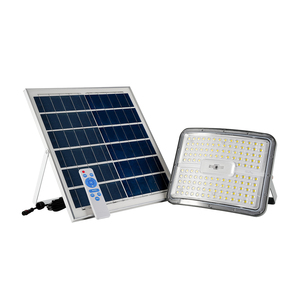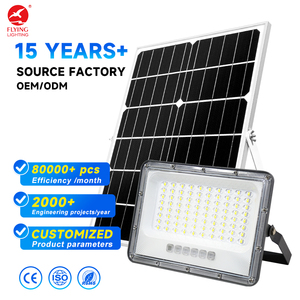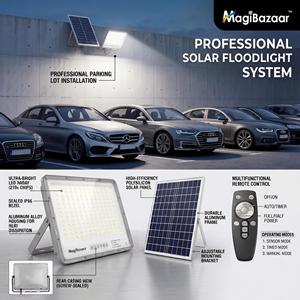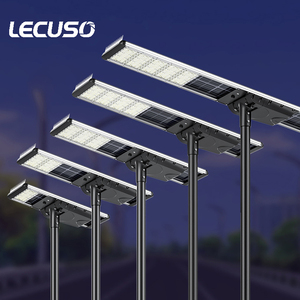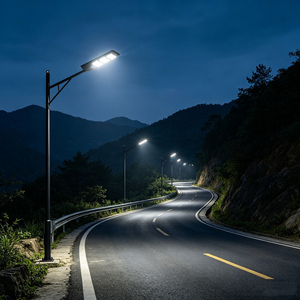
High-efficiency, weather-resistant solar luminaires factory-engineered for OEM/ODM export to Nagoya, Toyohashi, Toyota City, and the surrounding Chubu industrial nexus.
As Aichi Prefecture advances toward its ambitious carbon-neutral city initiatives and environmental sustainability frameworks, the procurement of outdoor illumination has shifted radically. Greater Nagoya—comprising major industrial nodes such as the Port of Nagoya, Chita Peninsula, Toyota City, and urban commercial centers—demands outdoor lighting infrastructure that seamlessly bridges extreme energy independence with rigorous environmental compliance. Central to this mandate is the implementation of Dark Sky Compliant Solar Lighting Systems engineered specifically to curb light pollution, preserve nocturnal biodiversity, and satisfy zero-uplight (BUG U0) optical criteria.
As an established global OEM/ODM manufacturer and direct exporter serving Japanese engineering firms, municipal contractors, and commercial developers, our organization delivers fully integrated solar street lighting and heavy-duty floodlight architectures customized for the distinct microclimate and regulatory landscape of the Chubu region. By combining high-density monocrystalline solar arrays, MPPT charge controller algorithms operating at >98.5% efficiency, lithium iron phosphate (LiFePO4) storage banks, and precision cut-off optical distribution, our systems guarantee operational continuous autonomy across Nagoya's seasonal shifts while eliminating light trespass and unwanted atmospheric skyglow.
Achieving true Dark Sky compliance requires far more than placing a physical shield over an LED diode. International Dark-Sky Association (IDA) guidelines and municipal light pollution regulations require rigorous control over Backlight, Uplight, and Glare (BUG ratings). In dense logistical zones, coastal industrial parks, and residential greenways across Nagoya, untamed outdoor light spill degrades astronomical observation, disrupts ecological rhythms, and causes hazardous glare for vehicular traffic along transport arteries like the Isewawan Expressway.
Custom-molded PMMA optical lenses direct 100% of emitted lumens below the horizontal plane (90° cut-off). This guarantees zero skyglow contribution while maintaining uniform Type II, Type III, or Type IV bat-wing lateral distribution across wide road spans.
Blue-light emissions (wavelengths below 500nm) exacerbate atmospheric scattering. Our OEM configurations offer warm 2700K and 3000K CCT modules using high-lumen Philips Lumileds chips, fully compliant with Japanese ecological protection directives.
Prior to shipment, every project destined for Nagoya receives a custom Dialux simulation. Engineering teams can visualize point-by-point lux levels, isoline plots, and exact pole placement, ensuring zero light trespass into adjacent properties.
Solar irradiance in Nagoya averages approximately 3.8 to 4.2 kWh/m²/day, with occasional prolonged overcast stretches during the summer rainy season (Tsuyu) and winter cloud cover from the Chubu mountain range. To maintain 100% lighting continuity, our OEM lighting engines incorporate high-grade Grade-A Monocrystalline Silicon Panels (22.5% module efficiency) combined with intelligent Maximum Power Point Tracking (MPPT) Controllers. The energy is stored within industrial-grade Lithium Iron Phosphate (LiFePO4) Battery Packs rated for >4,000 charge cycles at 80% Depth of Discharge (DoD), capable of operating reliably in extreme temperatures ranging from -20°C to +70°C.
As a specialized OEM exporter, our solar lighting platforms are engineered to address the specific spatial, structural, and climatic challenges presented by Nagoya’s industrial, commercial, and historical zones.
The Port of Nagoya is Japan’s largest maritime trade hub. Coastal installations demand resistance against saltwater corrosion. Our fixtures utilize die-cast A360 marine-grade aluminum housing coated with AkzoNobel powder coating, achieving C5-M anti-corrosion rating and IP68 sealing to withstand intense typhoons and humid salt spray.
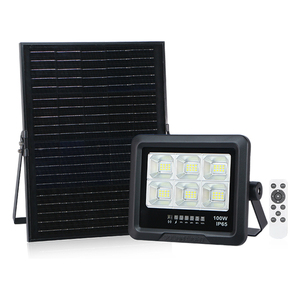
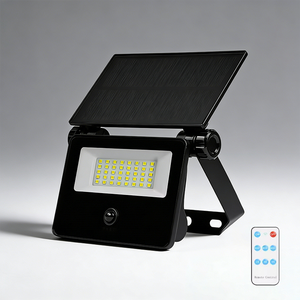
Stretching from Kariya to Toyota City, vast industrial assembly plants and auto-part logistics yards require bright, secure perimeter lighting without grid connection costs. High-lumen (200W-500W equivalent) solar floodlights with radar sensors provide instant full-brightness security during motion detection.
Surrounding cultural sites such as Nagoya Castle (Meijo Park) and Atsuta Shrine require subtle, low-impact illumination. Dark Sky compliant all-in-one solar luminaires deliver warm, glare-free light that preserves historic ambiance and prevents night-time ecological disruption to urban flora and fauna.
Meitetsu and JR transport corridors, station parking bays, and multi-modal transit nodes benefit from standalone solar light poles. Completely independent of grid power, these units ensure operational safety during seismic emergencies or severe power disruptions.
Navigating the Japanese commercial procurement space requires aligning with local policy mandates and long-term decarbonization agendas. Buyers in Nagoya prioritize lifecycle reliability, structural safety, and low Total Cost of Ownership (TCO).
Nagoya City’s Climate Action Plan mandates aggressive carbon reduction targets for commercial real estate and municipal infrastructure. Off-grid solar lighting completely eliminates grid electricity consumption (and associated Scope 2 carbon emissions), directly aiding corporate ESG compliance.
The Chubu coastline is subject to severe seasonal typhoons. Our light poles and solar luminaire brackets are structurally engineered to endure wind velocities up to 60 m/s (approx. 134 mph), satisfying stringent Japanese structural safety codes without mechanical fatigue.
Traditional grid-tied outdoor lighting in dense industrial districts requires expensive asphalt cutting, conduit laying, and utility approvals. Standalone solar lighting slashes initial deployment capital expenditures (CAPEX) by up to 60% by eliminating sub-surface civil works.
To assist procurement managers, electrical contractors, and urban designers in Nagoya with data-driven decision-making, the matrix below outlines key performance criteria across lighting technologies.
| Performance Specification | Conventional Grid-Tied AC LED | Generic Commercial Solar Light | Our OEM Dark Sky Solar Platform |
|---|---|---|---|
| Light Pollution Rating | High Glare / High Uplight (U2-U4) | Uncontrolled Optics (U1-U3) | Zero Uplight (BUG Rating U0) |
| Corrosion Resistance Rating | Standard C2/C3 Coating | Basic Powder Coating | C5-M Heavy Industrial Marine Grade |
| Wind Load Resistance | 35 - 45 m/s | 40 m/s Standard | Typhoon Rated up to 60 m/s |
| Battery Chemistry & Life | N/A (Grid Powered) | Ternary Lithium / Lead Acid (2 yrs) | LiFePO4 (>4,000 Cycles / 10+ yrs) |
| Trenching & Grid Hookup | Mandatory ($80-$150/meter) | Not Required | Zero Civil Cable Trenching Required |
| Dimming & Autonomy Control | Fixed Timer or Photocell | Basic PIR Sensor | Smart MPPT / IoT Adaptive Dimming |
| CCT Options | 5000K - 6500K (High Blue Light) | 6000K Cool White | 2700K - 3000K Warm Dark-Sky Compliant |
With nearly two decades of dedicated manufacturing experience, our enterprise serves as a key OEM/ODM manufacturing partner for leading lighting brands, EPC contractors, and municipal suppliers across North America, Latin America, Europe, the Middle East, and Asia.
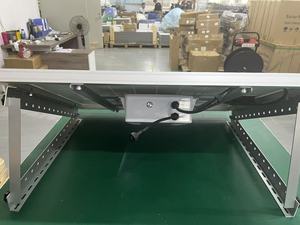
Every luminaire, panel assembly, and controller undergoes stringent multi-stage quality control. From automated EL solar cell testing to IP68 waterproof submersion testing and 48-hour burn-in cycles, we maintain absolute zero-defect standards.
Rooted in engineering principles designed for robust performance, our complete solar street light and parking lot systems utilize top-tier architectural components including Philips Lumileds LEDs, MeanWell drivers (for hybrid models), and proprietary MPPT firmware.
We provide comprehensive OEM support tailored for Japanese distributors—including custom housing colors, private-label branding, customized CCT optical modules, localized packaging, and bespoke mounting brackets for local pole dimensions.
Looking to develop a customized solar lighting line for the Japanese market?
Contact Our OEM Engineering TeamAddressing key engineering, environmental, and logistical queries common among Japanese municipal buyers and commercial contractors.
Our solar luminaires utilize precision-engineered cut-off reflectors and flat glass optical lenses that ensure an Uplight (U) rating of U0 under the BUG classification system. By directing 100% of light downward and offering warm CCT options (2700K–3000K), our products completely prevent light trespass into residential windows and skyglow near astronomical observation zones.
Yes. Nagoya experiences cloudy periods during the Tsuyu rainy season and cold winter snaps. Our systems are engineered with a minimum of 3 to 5 days of continuous power autonomy. The high-efficiency monocrystalline solar panels capture diffused sunlight even on overcast days, while intelligent MPPT controllers adaptively dim lighting profiles to ensure uninterrupted continuous night illumination.
Absolutly. Luminaires destined for coastal logistics zones are built with heavy-duty aluminum die-cast housings (A360 alloy) and 304/316 stainless steel fasteners. They are treated with a multi-stage chromate pre-treatment and finished with thermosetting architectural powder coating, passing 2,000-hour salt spray testing (C5-M industrial marine rating).
Our structural designs account for extreme weather and typhoon paths common in Japan. Our heavy-duty aluminum fixtures, brackets, and solar panel racking structures are rated to withstand wind speeds up to 60 meters per second (60 m/s), complying with Japanese structural engineering safety standards.
We provide end-to-end OEM and ODM capabilities, including customized optics, specialized optical beam angles (Type II, III, IV, V), custom CCT chips, laser-etched corporate branding, custom silk-screened solar panels, specialized bracket adapters, and private-label packaging configured to Japanese retail or commercial standards.
Our Lithium Iron Phosphate (LiFePO4) battery packs are designed for an operational life of 8 to 12 years (>4,000 cycles at 80% DoD). Complete luminaires carry standard 3 to 5-year commercial warranties, with extended warranty programs available for large-scale municipal infrastructure contracts.
Partner directly with an ISO 9001:2015 certified manufacturer. Contact our engineering team today for technical consultations, customized Dialux photometric reports, and competitive direct-factory OEM price quotations.