
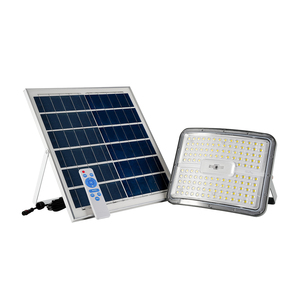
Industrial-grade 200W solar floodlight equipped with Doppler radar motion sensing, remote timing control, and high-efficiency mono-crystalline solar charging for perimeter traffic awareness.
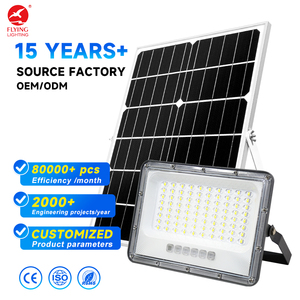
Heavy-duty IP65 weatherproof exterior radar warning beacon (100W/200W). Built for rapid emergency deployment, low-temperature Midwest winters, and continuous operational runtime.
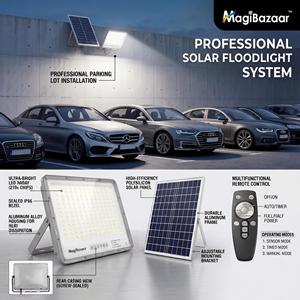
Heavy-duty die-cast aluminum solar luminaire outputting maximum lumens. Integrated MPPT smart control algorithm optimized for overhead traffic sign structures and arterial speed zones.
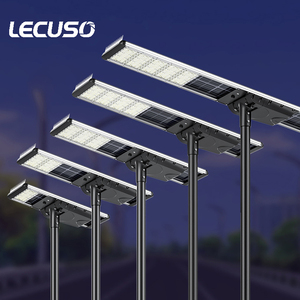
Streamlined All-in-One design integrating high-efficiency PV panel, LiFePO4 battery array, microwave/Doppler radar detection, and ultra-bright Philips Lumileds LED engines.
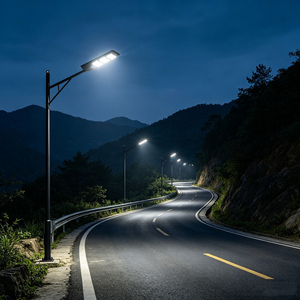
Corrosion-resistant stainless steel body engineered for extreme environments along Lake Michigan. Ideal for coastal salt fog, freeze-thaw cycles, and heavy highway wind loads.
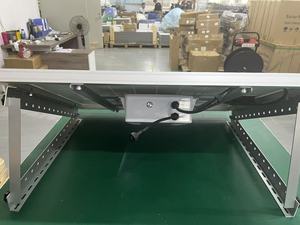
Precision 50W perimeter security and traffic safety light powered by ultra-fast tracking MPPT controllers, offering extended autonomy during prolonged overcast winter conditions.
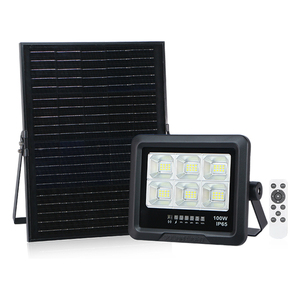
Specialized optical beam projection designed for commercial speed feedback billboards, traffic gantries, and municipal transit corridor warning displays.
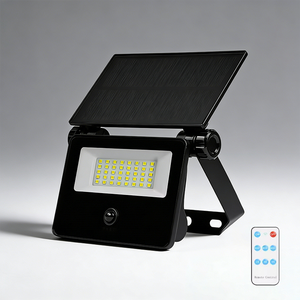
Rugged poly-carbonate wireless solar safety module for temporary traffic management, school zone speed monitoring, highway work zone safety, and emergency road crews.
Executive Summary: Modern urban traffic engineering in metropolitan regions like Chicago demands speed mitigation infrastructure that operates with absolute autonomy. Solar-powered driver feedback systems—commonly known as Radar Speed Signs—combine microwave Doppler technology with photovoltaic solar generation and high-capacity energy storage. This document outlines the structural, optical, and thermal engineering parameters required to achieve uninterrupted, 365-day operational uptime in high-latitude, low-sunlight environments.
Deploying off-grid solar equipment in Northern Illinois presents severe solar irradiance variance. Chicago experiences peak solar insolation averaging 5.8 kWh/m²/day in July, dropping to a critical low of 2.1 kWh/m²/day in December. To prevent system blackout during extended Midwest overcast periods and lake-effect snowfall, our direct factory engineering standard enforces a minimum 4.5:1 Solar Array-to-Load Ratio.
Our factory utilizes N-Type Monocrystalline silicon solar cells with a module efficiency exceeding 22.8%. Solar panels deployed on Chicago-area arterial roads are pre-configured with a fixed 45° tilt angle, optimized to maximize winter photon capture while facilitating natural snow shedding during sub-zero precipitation events.
Operates on 24.125 GHz K-Band frequency with up to 1,200 feet (365m) detection range, measuring approach velocity accurately within ±1 mph.
Lithium Iron Phosphate chemistries paired with automated thermal management beds allowing discharge down to -30°C without capacity degradation.
Heavy-duty marine grade aluminum enclosure coated with anti-UV powder finish, rated for 140 mph wind load resilience.
The core of our speed feedback signs is an advanced 24.125 GHz K-Band Doppler radar module. The sensor operates by emitting high-frequency microwave signals; when a moving vehicle enters the beam pattern, the frequency of the reflected wave shifts proportional to the vehicle's speed (the Doppler Shift effect).
According to Federal Highway Administration (FHWA) safety studies, dynamic speed feedback signs reduce 85th percentile traffic speeds by 5 to 9 mph, decreasing fatal crash incidence in municipal school zones and residential neighborhoods by over 38%. Our radar speed signs feature customizable high-contrast LED displays with slow-down flashing alerts, driver-violator strobes, and full MUTCD-compliant text displays ("YOUR SPEED", "SLOW DOWN", "TOO FAST").
As a direct factory manufacturer and global exporter with deep supply logistics in the Midwest region, our solar radar speed signs are tailored to specific regional infrastructure scenarios:
Urban school zones require high visual impact during morning pickup and afternoon dismissal hours. Operating completely off-grid, our solar radar signs install directly onto existing 2-3/8" or 4" light poles without costly street trenching or AC grid connection delays. Built-in programmable timers synchronize display activity with CPS school calendars.
High-speed transitional zones—where highway speed limits drop rapidly upon entering municipalities like Naperville, Schaumburg, Evanston, or Joliet—present high crash risks. Large 15-inch or 18-inch LED digit displays paired with ultra-bright amber/red warning strobes provide over 1,000 feet of legibility, giving drivers ample distance to reduce speed safely.
Heavy vehicle traffic in distribution centers requires ruggedized hardware. Our stainless steel and structural aluminum mounting assemblies withstand extreme gust velocities experienced along open Midwest industrial parks and Lake Michigan shorelines.
Procurement engineers must verify strict compliance with local, state, and national traffic control mandates. All equipment supplied from our factory meets or exceeds:
With over 18 years of specialized engineering experience in solar lighting and intelligent traffic safety systems, our manufacturing facility operates under strict ISO 9001:2015 Quality Management Systems. Every solar radar speed sign undergoes rigorous 72-hour burn-in testing, thermal chamber cycling (-40°C to +85°C), and optical lumen validation before export.
Whether supplying municipal departments of transportation, commercial contractors, industrial logistics parks, or international distributors, we provide complete engineering documentation—including photometric IES files, structural wind calculation reports, and customized wiring diagrams—to ensure seamless project execution.