
High-lumen, high-autonomy solar security fixtures configured with Maximum Power Point Tracking (MPPT) algorithms and optics designed specifically for perimeter boundaries.
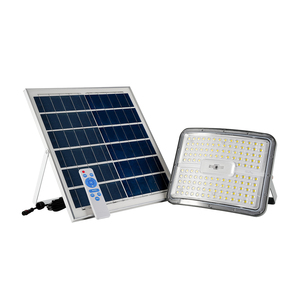
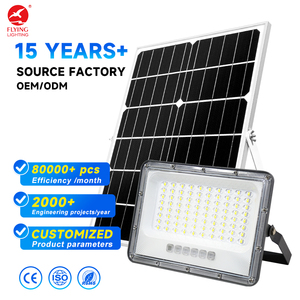
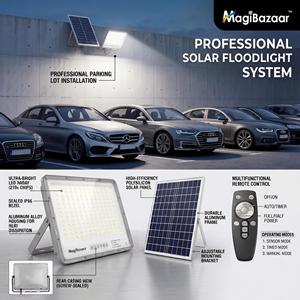
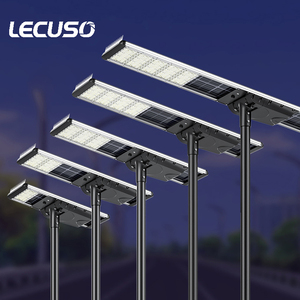
Warehouse perimeters, intermodal logistics hubs, and heavy-equipment manufacturing plants across Australia face a dual operational mandate: maintaining uncompromising 24/7 boundary security visual clarity while drastically reducing industrial energy overheads and Scope 1/2 carbon emissions. Traditional grid-tied perimeter lighting infrastructures demand extensive civil trenching, copper cabling, high-voltage conduits, step-down transformers, and ongoing municipal utility tariffs. In expansive Australian logistics parks—such as those situated in Western Sydney, Melbourne’s outer north, and Brisbane’s trade coast—trenching thousands of meters along property fence lines often represents up to 60% of total electrical installation budgets.
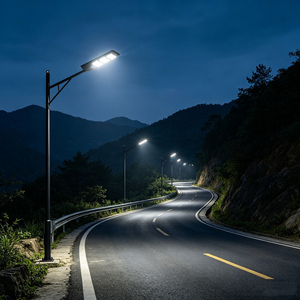
Direct factory-engineered solar powered warehouse perimeter lighting systems eliminate utility grid dependence entirely. By utilizing high-efficiency monocrystalline solar arrays paired with advanced Maximum Power Point Tracking (MPPT) charge algorithms, these systems harvest solar irradiation efficiently across Australia’s high UV solar belt. Luminaire optical engines feature customized asymmetric distribution optics (Type III and Type IV beam patterns) that project uniform, high-contrast illumination down property boundary fences and security zones, while maintaining zero upward light ratio (ULR) to comply with Australian Dark Sky and light spill standards (AS/NZS 1158.3.1 Category P & AS 4282 compliance).
| Engineering Parameter | Factory Direct Industrial Solar Perimeter Lights | Grid-Tied AC LED Perimeter Systems | Legacy High-Pressure Sodium (HPS) Floodlights |
|---|---|---|---|
| Civil Trenching & Cabling CAPEX | $0 AUD (Zero Earthworks Required) | $120 - $220 AUD per linear meter | $140 - $250 AUD per linear meter |
| Operating Utility Energy Bill | $0.00 / kWh Continuous | Subject to AUD grid spot prices | Heavy operational power tariff consumption |
| Thermal Endurance (Ambient Heat) | LiFePO4 Cells rated to 65°C ambient | Driver heat wear at >40°C | Extreme lamp heat; thermal failures |
| Power Loss Security Continuity | 100% Uninterrupted (5-Day Autonomy) | System blackout unless backed by generator | Total blackout; long restrike delay |
| AS/NZS 1170.2 Structural Wind Rating | Certified Region C & D Cyclone Rating | Varies by pole provider | High wind sail area overhead |
Thermal management remains the paramount technical hurdle for outdoor solar electronics deployed in Australia. Ambient summertime temperatures in regions like the Pilbara, Kalgoorlie, and Western Queensland frequently exceed 45°C, pushing solar housing internal temperatures past 70°C. Standard commercial lithium-ion (NCM) batteries degrade rapidly under such thermal stress. Our OEM factory configurations utilize high-density Lithium Iron Phosphate (LiFePO4 chemistry) equipped with thermal equalization BMS (Battery Management Systems), providing over 6,000 charge-discharge cycles while maintaining operational safety up to 65°C ambient operating environments.
Industrial properties across Australia exhibit varied environmental stressors depending on geographic location. Factory direct solar perimeter lighting configurations must be tailored to geographic micro-climates, security risk profiles, and local council regulations.
Deploying solar perimeter floodlights along vast outer boundary fences in major intermodal logistics parks (e.g., Kemps Creek, Western Sydney, Altona Victoria). High-lumen asymmetric optics provide continuous CCTV camera visibility without blinding truck drivers maneuvering along perimeter access routes.
Port facilities in Fremantle, Port Botany, and Port of Brisbane require high corrosion resistance. Units feature marine-grade 316 stainless steel fasteners, dual-stage electro-phoretic powder coatings, and IP66/IP67 sealed optic chambers designed to resist constant salt spray exposure (ISO C5-M marine rating).
Off-grid laydown yards in the Pilbara and Bowen Basin require zero maintenance and extreme autonomy. Solar systems are built with heavy-duty structural steel mounts engineered to withstand AS/NZS 1170.2 Category 4 tropical cyclone wind loads while delivering continuous perimeter intrusion deterrence.
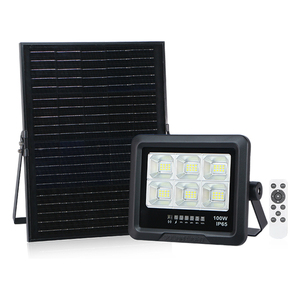
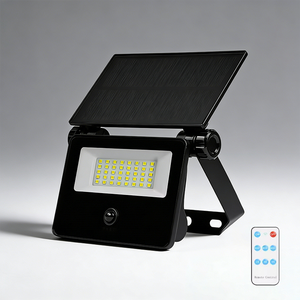
In addition to security enhancement, solar perimeter lights operate seamlessly with smart microwave radar occupancy sensors. Under standard operating protocols, lights remain at a calibrated 30% ambient lumen baseline throughout the night to conserve battery storage. Upon detection of boundary movement or perimeter breaches within a 12 to 15-meter zone, the MPPT controller ramps output instantly to 100% full lumen output (up to 22,200 lumens), flooding the area with high CRI light to deter trespassers and capture crystal-clear high-definition security camera footage.
Australia’s commercial industrial sector is undergoing a rapid transition toward decarbonization driven by strict corporate ESG reporting standards, the Safeguard Mechanism, and rising peak-demand grid electricity charges. Key regulatory and design trends shaping industrial warehouse solar lighting procurement include:
Transitioning outdoor security lighting from AC grid supply to 100% off-grid solar arrays directly reduces operational Scope 2 carbon emissions. Major Australian industrial REITS utilize factory solar lighting metrics to secure NABERS Energy ratings and Green Star industrial certifications.
Industrial developments bordering residential zones or agricultural land must adhere strictly to AS 4282 guidelines. Custom optical shields and flat-glass horizontal mounting profiles eliminate light spill, skyglow, and obtrusive glare into adjacent properties.
Modern Australian logistics facilities are integrating mesh-networked IoT node controllers into solar perimeter luminaires. Facilities managers monitor real-time battery state of charge (SoC), energy harvest graphs, and automated fault alerts from centralized dashboards.
By utilizing specialized luminaire optical geometry, our factory-direct products enable warehouse operators to achieve precise lux level uniformity along boundary fences (exceeding AS/NZS 1158.3.1 P11/P12 perimeter specifications) while deploying 30% fewer physical poles across vast facility landscapes.
Backed by over 18 years of specialized manufacturing experience and 45+ years of combined solar engineering leadership, our manufacturing facility delivers commercial-grade reliability certified to international quality standards.
Every industrial floodlight and street luminaire undergoes rigorous automated electroluminescence (EL) solar panel testing, 100% IP65 waterproof immersion verification, and high-temperature burn-in cycles prior to export shipment.
Our engineered tracking controllers achieve >98.5% charging efficiency, dynamically adjusting charging curves based on solar irradiance variations to maximize harvest during short winter daylight hours.
We provide full DIALux 3D lighting simulation layouts and isolux coverage maps for Australian engineering tenders, verifying foot-candle and lux performance prior to purchase commitment.
Structural pole assemblies and heavy-duty mounting brackets are engineered with hot-dip galvanized steel or extruded structural aluminum, backed by lifetime structural anti-corrosion warranties.
Our Australian-spec solar systems are engineered with a minimum 5-to-7 day autonomous battery reserve. By over-sizing monocrystalline panel wattages and utilizing smart MPPT dimming profiles (e.g., 30% ambient standby with 100% radar motion burst), the system maintains uninterrupted night-after-night perimeter illumination even during extended rain storms and low-solar winter solstices in Victoria and Tasmania.
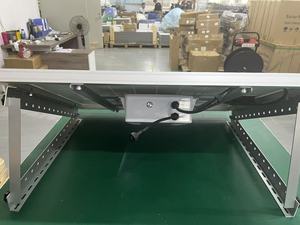
All structural mounting brackets, solar frame assemblies, and poles are engineered according to AS/NZS 1170.2 Structural Design Actions for Wind Actions. We supply full structural engineering calculations for Wind Region A, B, C (Cyclone), and D (Severe Cyclone) installations across Northern Western Australia and Queensland.
Lithium Iron Phosphate (LiFePO4) offers exceptional thermal stability and extended life cycles. While standard Gel batteries degrade rapidly above 30°C and NCM lithium poses thermal runaway risks under high heat, LiFePO4 safely operates at ambient temperatures up to 65°C and delivers over 6,000 deep discharge cycles (80% DoD), providing a 10 to 12-year battery operating life.
For industrial warehouse perimeters exceeding 300 linear meters, the total installed CAPEX of solar lighting is typically 30% to 50% lower upfront due to the total elimination of trenching, conduit laying, electrical switchboards, and grid connection fees. Combined with zero ongoing monthly electricity costs, most Australian commercial sites achieve full financial payback on day one of installation.
Yes. Our luminaires deliver high Color Rendering Index (CRI > 80) white light (available in 3000K, 4000K, and 5000K CCT options) to ensure accurate camera color reproduction. Furthermore, integrated microwave radar sensor trigger outputs can be connected to external security relays or IP cameras to initiate video recording upon perimeter approach.
We back our industrial solar lighting products with comprehensive B2B warranty coverage: 5 years full replacement coverage on LED optical heads, solar arrays, and MPPT controllers; 5 years prorated warranty on LiFePO4 battery cells; and lifetime structural guarantees on galvanized mounting poles and brackets.
Consult with our senior solar sales engineers to receive a comprehensive lighting design simulation, wind load verification, and direct factory pricing tailored to your Australian warehouse perimeter project.