
Engineered for extreme environmental resilience across the Iberian Peninsula—from high-wind mountain ridges in Galicia to corrosive marine port environments in Algeciras and Valencia.
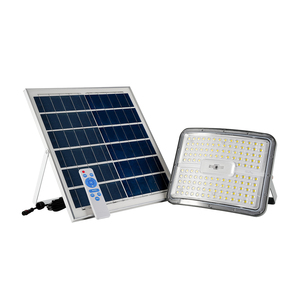
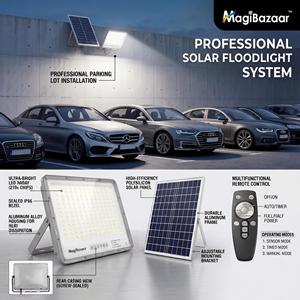
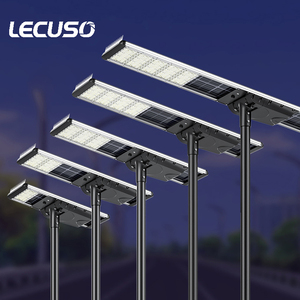
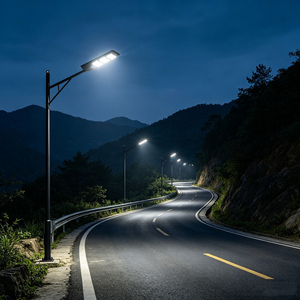
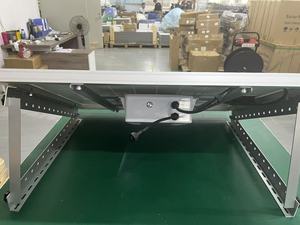
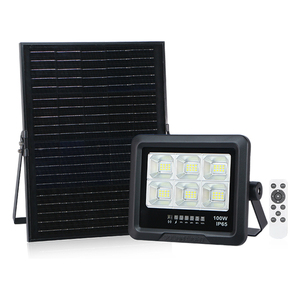
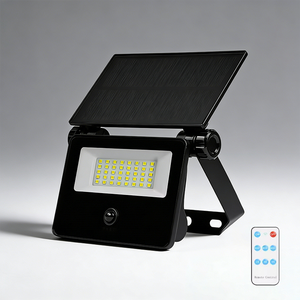
As Spain rapidly expands its renewable energy footprint under the National Integrated Energy and Climate Plan (PNIEC 2021-2030), the demand for certified, autonomous obstruction lighting has reached an unprecedented high. High-rise wind turbines across Galicia, Aragon, and Andalusia, combined with expanding 5G telecommunication infrastructure operated by Cellnex and Telefónica, require continuous compliance with aviation hazard visual marking regulations. The Spanish State Agency for Aviation Safety (AESA - Agencia Estatal de Seguridad Aérea) strictly enforces compliance with ICAO Annex 14 Volume I (Aerodromes) standards for all structures extending above critical thresholds.
Traditional grid-tied obstruction lights face major operational bottlenecks in remote Spanish terrains. Laying high-voltage trenching up steep mountain slopes or installing transformer substations in rural regions can add up to €40,000 per kilometer in infrastructure overhead. Solar-powered obstruction lights engineered in China by industry-leading OEM/ODM manufacturers present a zero-carbon, cost-efficient, and highly reliable alternative. Utilizing high-efficiency monocrystalline PV modules coupled with advanced Maximum Power Point Tracking (MPPT) electronics, modern solar obstruction beacons ensure reliable dusk-to-dawn operation even during low DNI (Direct Normal Irradiance) winter conditions in Northern Spain.
Strict photometric vertical beam divergence and peak light intensity (Low Intensity Type A/B, Medium Intensity Type A/B/C) to satisfy Spanish civil aviation authorities.
Specialized marine-grade anodized aluminum and 316 stainless steel enclosures capable of enduring salt fog spray in Iberian port infrastructure.
Sized with 7 to 10 days of continuous zero-sun autonomy reserve to overcome extended cloud cover during northern Cantabrian winters.
Solar obstruction lights manufactured by leading Chinese suppliers are engineered for versatile deployment across diverse Spanish geographical zones and industrial applications:
| Application Sector | Spanish Key Locations | Technical Challenge | Engineered Solar Solution |
|---|---|---|---|
| Onshore Wind Farms | Galicia, Castilla y León, Aragon | Extreme wind turbulence (>160 km/h) & icing conditions | Aerodynamic IP67 housing, high-intensity red flashing solar beacons with internal LiFePO4 heater option |
| Telecom & 5G Towers | Madrid Metro Area, Sierra Nevada, Rural Pyrenees | Off-grid locations with zero grid connectivity | Standalone All-In-One solar obstruction lights with integrated IoT status telemetry & dusk-to-dawn photodiode |
| Port Cranes & Offshore | Port of Valencia, Algeciras, Barcelona, Bilbao | Constant saline atmosphere & heavy mechanical vibration | C5-M powder-coated enclosure, vibration-damped silicone mounting, UV-stabilized Fresnel lens |
| High-Rise Urban Buildings | Madrid (Cuatro Torres), Barcelona Financial District | Aesthetics, grid-tie retrofitting complexity, zero downtime | Self-contained, low-profile solar LED units matching IDA Dark Sky criteria with zero building wiring requirement |
The competitive edge of top-tier Chinese solar obstruction lighting suppliers stems from advanced manufacturing integration, scale, and continuous optics research. Unlike legacy suppliers using standard broadcast optics, modern Chinese manufacturers utilize custom optical-grade acrylic Fresnel lenses that shape light output strictly within the 3° to 10° vertical beam spread dictated by ICAO standards. This prevents lumen loss into the sky while ensuring pilots receive maximum visual candela from up to 15 nautical miles away.
Furthermore, energy storage has transitioned from legacy Lead-Acid/Gel batteries to premium Lithium Iron Phosphate (LiFePO4) chemistries. LiFePO4 cells provide over 4,000 to 6,000 thermal cycles at 80% Depth of Discharge (DoD), supporting sustained performance in high-ambient summer temperatures reaching 45°C in southern Spain (Andalusia), as well as sub-zero mountain freezes.
 ISO 9001:2015 Certified
 RoHS & CE Compliant
18+ Years International
RoHS & CE Compliant
18+ Years InternationalDirect technical guidance for Spanish engineering firms, EPC contractors, telecom operators, and municipal buyers purchasing solar obstruction lights directly from Chinese manufacturers.
Our solar obstruction light systems are independently tested by accredited third-party laboratories to meet ICAO Annex 14 Volume I standards (Low Intensity Type A/B, Medium Intensity Type A/B/C). We provide full photometric test reports, Chromaticity Coordinate diagrams (Red/White LED specs), and CE certificates required by AESA inspectors during site commissioning in Spain.
Imports into Spain (EU customs territory) fall under TARIC codes such as 9405.42 (LED luminaires). Standard customs duty typically ranges from 2.7% to 4.7%, depending on system configuration, plus 21% IVA (Spanish VAT). We provide full customs clearance documentation including CE, RoHS, Certificate of Origin (Form E/CO), and commercial invoices tailored for seamless customs processing in Port of Valencia or Barcelona.
For installations in Cantabria, Asturias, or Basque Country where peak sun hours drop to 2.2 kWh/m²/day in winter, we custom-calculate PV module wattage and battery reserve capacity using a minimum factor of 7–10 days of continuous zero-sun autonomy reserve. Dual MPPT tracking ensures efficient charging even under diffuse radiation conditions.
We provide a comprehensive 5-year standard warranty on complete solar obstruction light systems, including PV panels and electronics, with options for extended 10-year coverage. Replacement modular battery packs and driver boards are stocked for fast dispatch to Spain, backed by remote engineering assistance and DIALux photometric design support.
Yes. Our advanced obstruction beacons support RS485 Modbus, GSM/GPRS, or LoRaWAN communication protocols. Spanish tower operators can monitor battery state-of-charge, photocell status, LED operational integrity, and fault alerts remotely via central SCADA dashboards.
Solar-powered obstruction lights eliminate trenching, cabling, electrical permits, and ongoing utility bills. In typical telecom or wind turbine installations across Spain, switching to autonomous solar beacons reduces upfront CAPEX by up to 65% and yields a full return on investment (ROI) within 12 to 18 months of operation.
As a world-class original equipment manufacturer established in 2006, our production facilities combine 18+ years of dedicated solar lighting engineering with stringent ISO 9001:2015 quality control protocols. Our engineering team brings over 45 years of combined expertise in solar PV design, micro-grid management, thermal management, and optical precision.
Every luminaire undergoes rigorous environmental stress testing, including IP68 water immersion testing, salt fog chamber corrosion testing for marine grade validation, thermal shock testing from -40°C to +80°C, and structural wind tunnel simulations up to 180 mph (290 km/h). By choosing direct factory supply from China, Spanish project developers gain access to superior technology, customized OEM solutions, competitive factory-direct pricing, and uncompromised safety reliability.
Contact our senior solar illumination engineers today for custom photometric DIALux simulations, official ICAO compliance certificates, and factory-direct B2B quotation for your project.